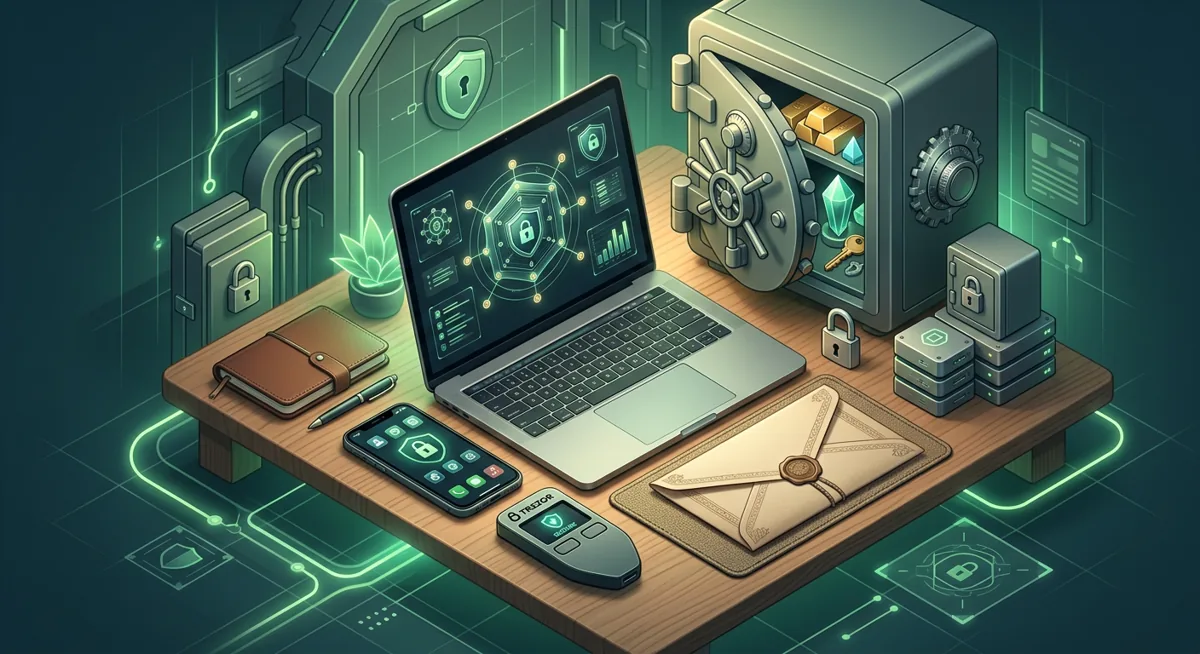
Security checklist
Secure Package Checklist for Hardware Wallet Delivery
While you’re at work, a package arrives, and the label says just enough for you to realize: this is your new wallet. It’s precisely this everyday moment that marks the beginning of physical security: not with panic, but with a well-thought-out plan to secure the package before anyone even touches the box.
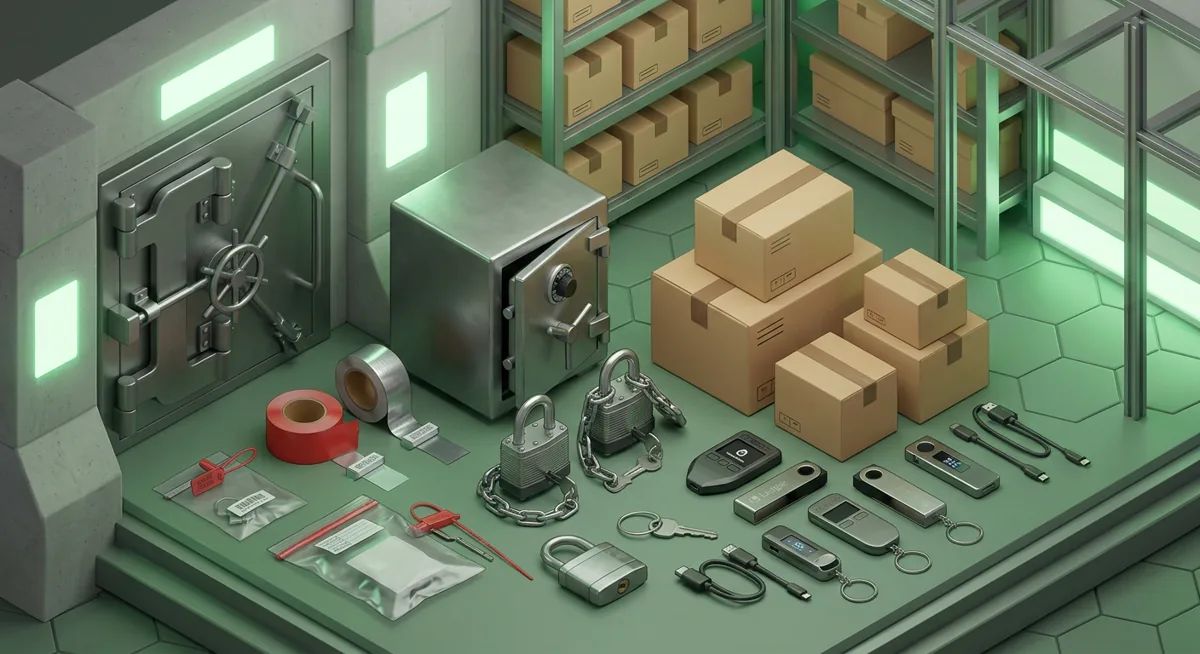
In short
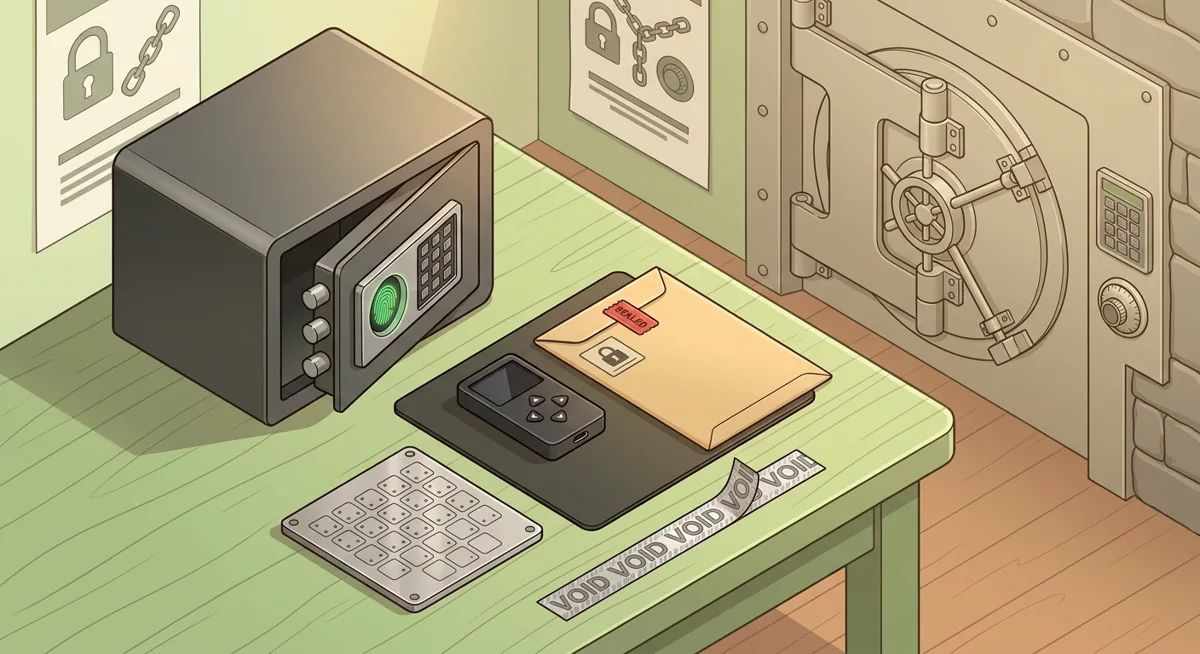
- Reliable packaging should conceal the contents, clearly indicate any attempts to open it, and give no reason to suspect that the package is related to cryptocurrency.
- Never ship a recovery backup unless there is no safer option; if you must, split risk with tamper-evident packaging and trusted custody steps.
- You should track the status of your wallet shipments through your personal account, not through messages that pressure you to log in or disclose recovery information.
- When you receive your Ledger Nano X, Trezor Safe3, Tangem, or backup materials, inspect the packaging before setting up the device, and stop the process if anything seems suspicious.
- A hardware wallet is just one component of a storage system; storage options related to email, devices, delivery, and recovery also provide protection for those same funds.
What should be on a secure package checklist?
The plain risk is simple: if someone learns that a parcel contains a wallet or recovery backup, they may try to intercept it, swap it, pressure the recipient, or learn where valuable material is stored. A secure package reduces clues, creates evidence of tampering, and gives you a calm process for hardware wallet shipping.
Before you pack
- Decide whether shipping is necessary. For a recovery backup, hand delivery by a trusted person may be safer.
- Never place a hardware wallet and its recovery backup in the same parcel.
- Never include a written recovery phrase with a new device.
- Use a neutral sender name and plain return address if lawful and practical.
- Remove crypto-related words from the label, invoice notes, and delivery instructions.
- Photograph the sealed parcel for your records, without showing sensitive writing.
- Choose tamper-evident packaging from a known source, such as Doyle Security as an example provider, or from local security suppliers you already trust.
How do I package a hardware wallet for shipping?
Step one: Keep the retail box sealed if it arrived that way, but do not rely on retail shrink wrap as your only tamper signal.
Step two: Place the wallet box inside an inner sleeve or pouch. Add a tamper-evident seal across the closure.
Step three: Put that inner package into a plain outer mailer or box. Use filler so the item does not slide, rattle, or reveal its shape.
Step four: Seal every opening with security tape or tamper-evident labels. I like seals that leave visible evidence when lifted.
Step five: Write down the seal description in a private note to the recipient through a separate channel.
Step six: Use package tracking for wallets, but treat tracking messages like any account security event. If a text or email asks you to sign in urgently, go to the carrier account directly.
How do I ship a recovery backup without creating a single point of failure?
My protective answer is: avoid it if you can. People search for ship seed backup because they want a practical solution, but a recovery backup is not a normal document.
If shipping cannot be avoided:
- Ship only the minimum material needed for the custody plan.
- Do not include labels that explain what the material is.
- Use an inner tamper-evident envelope inside a plain outer envelope.
- Require adult or direct handoff when available, without revealing label text.
- Tell the recipient what intact packaging should look like before it arrives.
- After receipt, move the backup to its intended secure storage promptly.
Warning: If you ship a recovery backup with a wallet, a dishonest handler may only need time to copy what is inside. Separate these items, separate the delivery paths, and stop if tamper evidence does not match.
How should I receive and inspect the delivery?
- Receive the parcel where it will not sit unattended.
- Check the outer box for cuts, extra tape, punctures, soft spots, and resealing.
- Compare the seal description with what the sender told you separately.
- Do not set up the wallet while tired, rushed, or being coached by a stranger online.
- For Ledger Nano X, remember its platform coverage is Desktop/laptop, Android, iOS, so decide your setup device before the parcel arrives.
- For Trezor Safe 3, check compatibility expectations against Android (full compatibility); iOS (limited compatibility) and backup expectations against SLIP39 backups.
- For Tangem, inspect card packaging and activation flow carefully before moving funds.
- If anything feels wrong, pause. Photograph the packaging, contact the sender through a known channel, and do not enter or reveal recovery details.
For setup safety after the parcel passes inspection, pair this checklist with the Secure Devices Crypto Wallet Checklist and Credentials and Account Security for Crypto Wallets. Physical custody and account custody work together.
Why do these secure postal delivery steps matter?
Concealment protects you before the parcel arrives
A box that advertises crypto turns an ordinary route into a target map. Neutral packaging removes easy clues, so a neighbor, front desk, driver, or warehouse worker has less reason to treat it as special.
Tamper evidence helps you decide under stress
When people are excited to set up a new wallet, they often push through small doubts. Tamper-evident packaging gives you a checkpoint: does the seal match, does the tape look lifted, does the box show strange repairs?
Separation limits one bad delivery
I never want one lost parcel to contain everything needed to control assets. A hardware wallet without its recovery backup is different from a wallet shipped with the backup beside it.
Tracking reduces uncertainty, but phishing can imitate tracking
Scammers know that delivery anxiety works. A fake message about a missed parcel can lead to a fake login page or wallet support scam. If the message asks about recovery words, remote access, or urgent wallet verification, treat it as a danger signal. I cover similar pressure tactics in Common wallet scams: phishing and fake recovery traps and broader checks in Crypto Scam Checks Before You Move Funds.
Device choice affects the receiving plan
Different wallets lead people into different setup habits. Ledger Nano X supports Thousands of supported coins and tokens and supported networks include Bitcoin, Ethereum, Solana, XRP, stablecoins, so recipients may want to move many assets quickly. Trezor Safe 3 supports 1000s of coins & tokens and uses SLIP39 backups, so backup handling deserves calm attention.
What is my safest workflow from purchase to storage?
Step one: Buy through the official brand or a trusted supplier, and keep order emails out of shared inboxes when possible.
Step two: Before shipping, decide who will receive the parcel, where it will be held, and what tamper signs they should expect.
Step three: Package the item so the outside is boring and the inside has visible tamper evidence.
Step four: Send tracking details through a known channel. If the recipient gets a different message, they should verify from the carrier account directly.
Step five: On arrival, inspect first and set up later. If a delivery person is waiting or a family member is asking questions, that is not the right moment to initialize a wallet.
Step six: After inspection, move the wallet to a clean setup environment. Update account security for the email used to order or track the parcel. My companion guide on Email Account Security for Crypto Wallet Owners is useful here.
Step seven: Store recovery material separately from the wallet. Use household instructions that say who may access sealed storage, without explaining how to use the recovery material.
What mistakes turn shipping into a custody problem?
- Naming the contents on the label or delivery note.
- Sending a wallet and recovery backup together because it feels efficient.
- Trusting a tracking message that arrives by surprise and demands urgent action.
- Accepting packaging that looks repaired, then setting up the device anyway.
- Letting a helper, seller, or online support person see recovery information.
- Leaving the parcel in a lobby, mailroom, porch, rideshare, hotel desk, or coworking space longer than necessary.
- Posting delivery photos that show labels, seals, addresses, or storage habits.
A useful what-if test is this: if a stranger saw the package, would they know it relates to a wallet? If someone opened and resealed it, would you notice? If the parcel vanished, would the loss expose your recovery path? If any answer worries you, change the plan before you ship.
Questions and answers
- Should I ship a hardware wallet to a family member already initialized?
I would avoid this unless there are compelling reasons related to storage. An initialized wallet raises questions about who has seen the recovery data and how securely the device has been handled. It’s usually better for the recipient to initialize it themselves.
- Is tamper-evident packaging enough for secure package delivery?
No. It is one layer. You still need neutral labeling, tracking hygiene, separated recovery materials, and a receiving inspection.
- Can I use a local security supplier instead of a crypto-branded product?
Yes. Local security suppliers often carry plain tamper-evident bags, seals, and security tape. I prefer plain materials because they do not advertise that the parcel relates to crypto.
- What should I do if a wallet package looks opened or resealed?
Stop the setup process. Take a photo of the package, save all the materials, and contact the sender through a known communication channel. Do not transfer funds to this wallet until the issue is resolved.
- Why do scam checks matter during delivery?
Delivery problems create urgency, and urgency is a common scam ingredient. A fake missed-delivery notice can lead to fake support, credential theft, or recovery traps, so verify messages before taking action.