Scam breakdown
Satoshi Nakamoto Wallet Claims: Scam Case Study
You see a post saying someone found a satoshi nakamoto wallet, or a stranger says they can help unlock early BTC for a fee. I treat that as an emergency signal, not an opportunity, because the goal is usually to make you reveal access, sign something risky, or send funds first.
In short
- Claims about a satoshi nakamoto wallet often create urgency, mystery, and trust where none has been proven.
- No stranger proves control of early BTC by asking for your recovery phrase, wallet file, remote access, or upfront payment.
- Strong scam indicators include secrecy, pressure, fake screenshots, wallet-connection requests, and promises to share recovered coins.
- If you already interacted, stop signing, move remaining funds from a clean device if possible, preserve evidence, and warn any provider involved.
How does the satoshi nakamoto wallet scheme work?
The risk in plain words is this: the story is bait. A scammer uses the phrase satoshi nakamoto wallet to make an ordinary theft attempt feel historic, rare, and urgent.
I usually see the scheme begin with a dramatic claim. Someone says they found an old wallet, inherited a drive, recovered a forgotten password, or knows a person who can access early BTC. The details change, but the pull is the same: you are invited into a secret before you have time to verify anything.
They may present screenshots, edited transaction views, chat logs, or a wallet interface that appears to show a large balance. Then comes the request: a fee, a special validator, a tax payment, software activation, or a trusted partner to move the funds. If you ask for proof, they redirect you toward speed: act now, keep quiet, do not involve support.
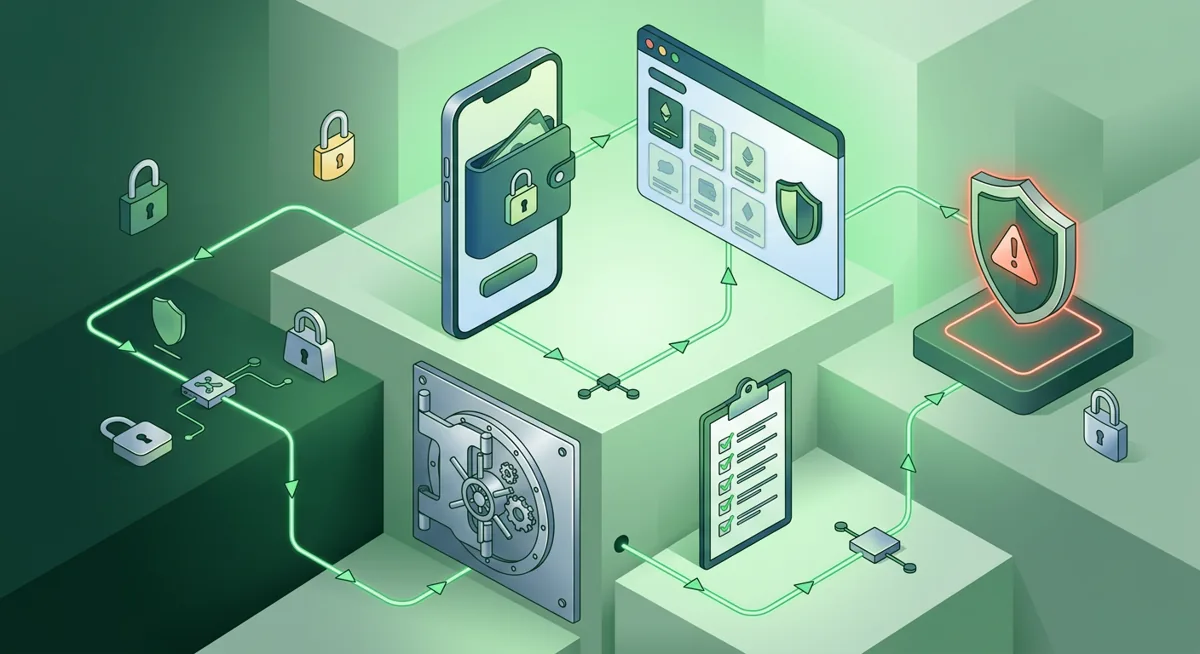
Here is the usual flow I look for:
Step one: They attach themselves to a famous name. The words satoshi nakamoto wallet imply history and credibility without proving control of anything.
Step two: They create a role for you. You may be called a receiver, tester, investor, recovery partner, escrow helper, or technical assistant. Your real role is to provide funds, access, signatures, identity documents, or trust.
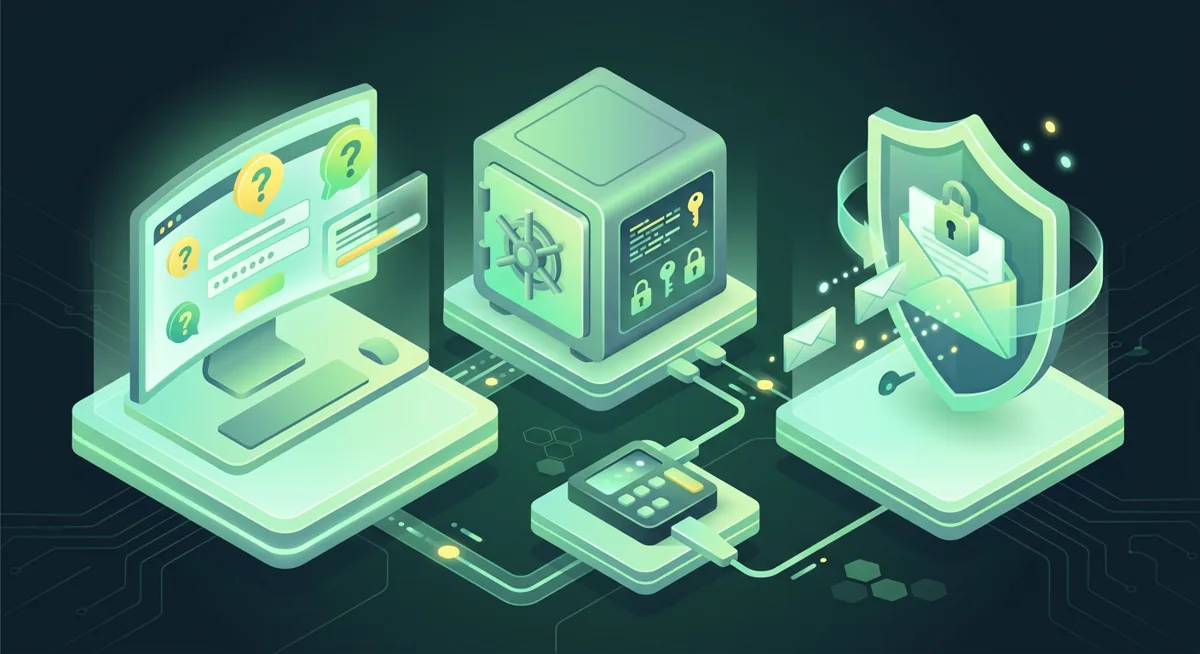
Step three: They move the conversation away from verification. Instead of giving clear proof, they may ask you to install a wallet, connect your existing wallet to a site, approve a message, share a screen, or enter your recovery phrase. A recovery phrase is a master key in human-readable form.
Step four: They introduce a payment or approval. This can be called a gas fee, release fee, compliance fee, miner fee, unlocking fee, or deposit. The label matters less than the structure: you must pay before anything real happens.
Warning: if you type your recovery phrase into a site, share it in a chat, or approve a malicious wallet connection, the funds in that wallet can be moved away. Treat that moment as exposure.
A real wallet problem is usually boring: careful checks, official support channels, and no secrecy. A satoshi wallet scams pitch is usually cinematic: hidden fortune, insider access, and pressure to act.
What scam indicators should I look for?
When someone claims to access early btc, I slow everything down. Scams rely on momentum. My goal is to remove momentum and inspect the request.
The biggest red flags are:
- They claim access to a satoshi nakamoto wallet but cannot prove control in a safe, public, and verifiable way.
- They ask for your recovery phrase, wallet file, password, screen sharing, or remote access.
- They want you to connect a wallet to an unfamiliar site to “verify,” “unlock,” “migrate,” or “claim” funds.
- They demand secrecy or say public questions will ruin the opportunity.
- They pretend to be exchange staff, wallet support, a recovery expert, or a legal agent.
- They show screenshots instead of verifiable evidence.
- They ask for an upfront payment before any funds are released.
- They change the reason for delays every time you hesitate.
- They flatter you, threaten you, or make you feel guilty for being cautious.
- They say the opportunity expires soon, but the technical explanation remains vague.
I pay special attention to language that turns a security boundary into a favor. “I only need your phrase to check the balance” is not a small request. It is asking for control. “Approve this message so the wallet can be indexed” is not harmless if you do not understand what you are authorizing.
Another pattern is a tiny test amount or a wallet address with past activity. That can feel convincing, but watching an address is not the same as controlling it.
A useful question is: “What would happen if I refuse to share access and refuse to pay upfront?” In a real support situation, the process can continue through official channels. In a scam, the tone usually turns angry, urgent, wounded, or threatening.
What should I do if I already responded?
First, breathe. Shame helps the scammer, not you. I want you to switch from conversation mode to containment mode.
Step one: Stop the interaction.
Do not argue, negotiate, or explain what you are doing. Do not sign more messages, approve more transactions, send more funds, or share more screenshots. If they still have your attention, they still have leverage.
Step two: Identify what was exposed.
Ask yourself what you shared: a recovery phrase, a password, a wallet file, a device screen, identity documents, an exchange login, or a wallet approval. A shared recovery phrase is more serious than a public wallet address. A signed approval may endanger specific assets even if you did not reveal the recovery phrase.
Step three: Move remaining funds only from a clean environment.
If you believe the device or wallet is exposed, do not keep using it. Use a device you trust, create a fresh wallet, and move remaining assets there if you can do so safely. If a hardware wallet is involved, verify addresses on the device screen, not only on the computer or phone.
Step four: Revoke risky permissions where the wallet ecosystem allows it.
Some losses happen through approvals rather than a direct phrase leak. If you connected to a suspicious site, review permissions using trusted tools or official wallet guidance. If you are unsure, prioritize moving assets to a fresh wallet.
Step five: Secure related accounts.
Change passwords from a clean device, turn on strong account protection, and check email forwarding rules, exchange withdrawal settings, and connected apps. If identity documents were shared, watch for impersonation attempts and contact relevant providers.
Step six: Preserve evidence.
Keep usernames, wallet addresses, transaction identifiers, emails, chat records, and screenshots. Do not edit the originals. Evidence helps support teams, exchanges, and law enforcement understand what happened.
Step seven: Report through official channels.
If an exchange, wallet company, or payment service was involved, contact that provider through its official website or app. Be concise: say what was shared, when the transfer happened, and which addresses or accounts were involved.
If you only gave your public address, your funds are not automatically exposed, but expect follow-up pressure. If you gave your recovery phrase, assume the wallet is no longer private and focus on moving what remains.
How can I protect myself from related frauds?
I think of prevention as building small pauses into moments of excitement. The more extraordinary the claim, the more ordinary your process should become.
Use this checklist before engaging with any satoshi nakamoto wallet story:
- Do not share a recovery phrase with any person, website, form, bot, or support account.
- Do not pay upfront to unlock, release, validate, or receive promised crypto.
- Do not connect your main wallet to unfamiliar sites.
- Do not approve messages or transactions you cannot explain in plain language.
- Do not rely on screenshots as proof of control.
- Do not move to private channels just because someone says the matter is sensitive.
- Do separate curiosity from custody: you can read about a claim without involving your wallet.
For self-custody, I prefer a layered habit. Keep long-term holdings away from daily browsing. Use a fresh wallet for experiments, and fund it only with what you are prepared to lose. Store the recovery phrase offline, privately, and never in cloud notes, email drafts, chat apps, or photos.
If you use a hardware wallet, remember what it is good at: keeping key material isolated and asking you to confirm actions on the device. It cannot protect you from approving the wrong action if you are rushed or misled. Slow reading is part of the security model.
If someone says they can access early btc, ask for a process that does not require trust from you. They should not need your wallet, your money, or your secrecy. If the claim is real, it can survive caution.
The safest response to a satoshi nakamoto wallet pitch is usually not a technical debate. It is a calm refusal to provide access, a refusal to pay upfront, and a decision to keep your own wallet separate from the story.
Questions and answers
- Is every satoshi nakamoto wallet claim a scam?
I cannot judge every claim from the phrase alone, but I treat it as dangerous until proven otherwise. If the claim requires your recovery phrase, wallet connection, secrecy, or upfront payment, I would walk away.
- Can someone recover early BTC for me if I pay a fee?
Be very careful. A real recovery discussion should not require you to expose a recovery phrase to a stranger or keep paying new release fees. If the person cannot explain a safe process without taking control, that is a major warning sign.
- What if I signed a message but did not send funds?
Do not sign anything else. Review what you approved, move valuable assets to a fresh wallet if there is any doubt, and use trusted guidance for checking permissions.
- Should I confront the person who contacted me?
I would not. Confrontation usually gives them another chance to pressure you or invent a new story. Preserve evidence, block the contact, secure your wallets and accounts, and report through official channels where relevant.