Guide
What Is Staking Crypto? Wallet Safety Guide
The risk is simple: staking can make your wallet look active and useful, but a rushed approval or confused custody choice can put funds somewhere you cannot easily recover them. I have helped people after they staked from the wrong account, trusted a fake support message, or confused exchange balances with self-custody.
In short
- Staking crypto means using eligible coins in a network process that may earn rewards while the coins remain subject to that network's rules.
- Staking from wallet keeps custody with you, while staking with custodial exchange usually means the service controls the wallet side for you.
- A Ledger Nano X can support self-custody staking workflows, with platform support listed as Desktop/laptop, Android, iOS.
- Staking safety depends on verifying the app, network, validator or provider, fees, lock rules, and every approval before you sign.
Key facts
| Ledger Nano X | |
|---|---|
| Supported coins & networks | Supported networks: Bitcoin, Ethereum, Solana, XRP, stablecoins Number of supported assets: Thousands of supported coins and tokens |
| Devices & platforms | Platforms: Desktop/laptop, Android, iOS |
| Price | — |
| Who controls the keys | — |
What should I check before I stake?
Before I explain the steps, I want to answer the basic search question: what is staking crypto? In plain language, staking is a way some crypto networks let holders participate in network security or validation by assigning eligible coins to a staking process. In return, the network or provider may pay rewards. Staking is not the same as putting cash in a bank account; rules vary by asset, network, wallet, validator, and custodial service.
The first decision is custody. If you stake with custodial exchange, the exchange usually manages the wallet operation and shows you a balance inside your account. That can feel easier, but you depend on the service for access, policy changes, withdrawal timing, account reviews, and incident response. If you want to compare that tradeoff, start with Custodial Crypto Services Compared by Risk.
If you use staking from wallet, you keep control of the wallet and sign staking actions yourself. With a hardware wallet such as Ledger Nano X, the device helps keep signing isolated from your everyday computer or phone. Ledger Nano X platform support is Desktop/laptop, Android, iOS, supported asset coverage is Thousands of supported coins and tokens, and supported networks include Bitcoin, Ethereum, Solana, XRP, stablecoins. Those facts do not mean every asset can be staked in every way, so check the exact asset and staking path before signing.
Before you start, prepare the following:
- The official wallet app or official service interface you intend to use.
- A quiet moment away from urgent messages, pop-ups, or support chats.
- Your hardware wallet, if you use one, and time to verify details on the device screen.
- A clear understanding of whether unstaking is immediate, delayed, or subject to network conditions.
- A written record of which asset, network, validator or provider, and wallet account you used.
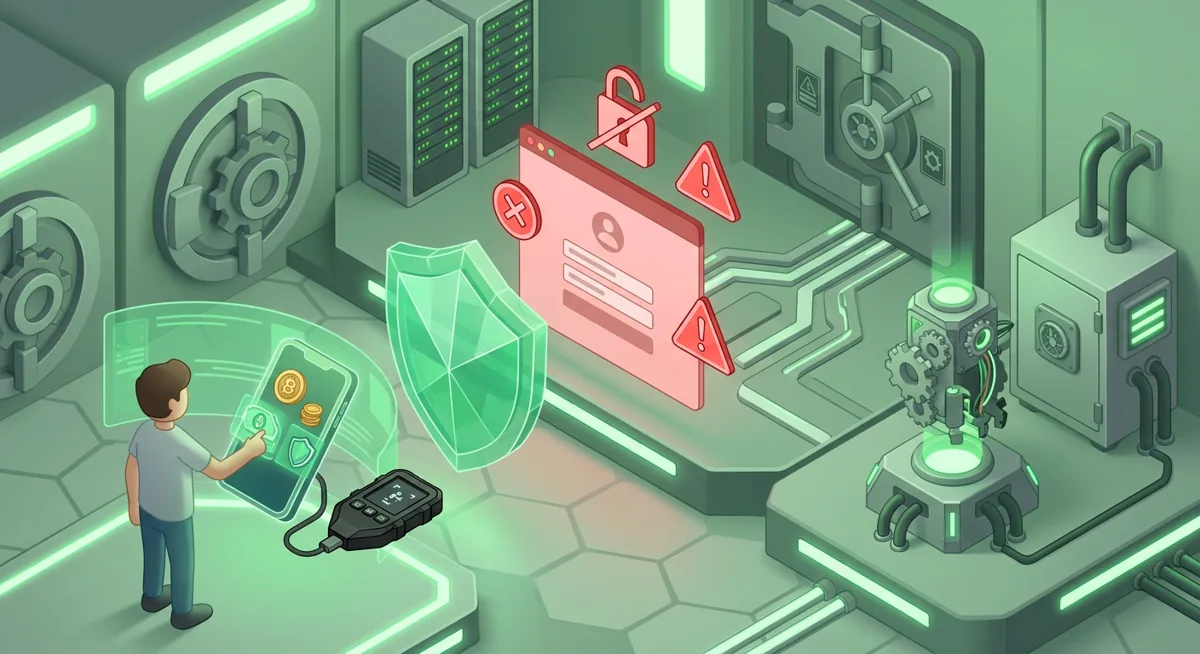
For staking safety, I slow people down at the approval stage. If a screen asks for broad spending permission, wallet connection approval, or an unfamiliar contract interaction, I stop and ask what would happen if that permission were abused.
Warning: a mistaken staking approval can move funds, delegate to the wrong place, or give a contract more access than you intended. If the wallet screen and the website do not describe the same action, cancel and investigate before you continue.
How do I stake from a wallet or custodial exchange?
I use this procedure whether someone wants to stake with Ledger, compare an exchange option, or simply understand where the risk sits.
Step one: identify who controls the wallet.
Ask: if my laptop breaks, who helps me regain access? With self-custody, your recovery phrase and device process matter. With a custodial exchange, the account login, identity checks, and the service's internal controls matter.
Step two: confirm the asset and network.
Many wallet mistakes start with similar names. Check the asset, network, and account before you stake. If the wallet shows an asset on one network but the staking page expects another, stop.
Step three: choose the staking route.
For staking from wallet, you may use a wallet app, a hardware wallet workflow, or a supported staking interface connected to your wallet. For Ledger Nano X users, I prefer a path that makes you review the transaction on the device itself.
For stake with custodial exchange, review the service's staking terms inside your account before committing. I look for withdrawal rules, account restrictions, reward handling, and what happens if the service pauses the feature. If you are still choosing a wallet style, Choosing the Right Crypto Wallet Without Panic can help you separate convenience from control.
Step four: verify the staking destination.
If you are selecting a validator or provider, check its name carefully, but do not stop at the name. Fraudulent pages often copy branding. I prefer navigating from the official app or official website by name, not from messages, ads, or social media replies. A helpful support agent will never need your recovery phrase.
Step five: read the transaction before signing.
On a hardware wallet, compare the asset, account, destination, and action shown on the device with what the app claims. If you see a different action, a blank-looking approval, or a request that feels broader than staking, reject it. With an exchange, confirm that you are joining the intended staking product and not sending funds to an external address.
Step six: start with an amount you can tolerate being delayed.
I do not frame staking as emergency savings. Some staking systems involve waiting periods, validator conditions, or service review.
Step seven: record what you did.
Write down the wallet account, service, asset, network, and date in your own notes without exposing secrets.
Step eight: monitor without constantly reconnecting.
After staking, check through the same trusted route. Avoid reconnecting your wallet to random portfolio sites just to see a reward estimate. If a site asks you to reconnect and approve something new, treat it as a fresh transaction, not a harmless status check.
How does recovery work if something goes wrong?
Recovery depends on the custody model.
With self-custody, your recovery phrase is the core backup for the wallet. It is a list of words created during wallet setup. I never type it into websites, support forms, chat windows, cloud notes, or screenshots. If a device is lost or damaged, recovery normally means restoring the wallet into a trusted device or wallet using that list of words. The staking position may still be governed by the network's unstaking or withdrawal rules.
With Ledger Nano X, I treat the recovery phrase as more sensitive than the device itself. A thief with only the device may still face device protections. A thief with the recovery phrase can attempt to recreate the wallet elsewhere.
With custodial staking, recovery usually means recovering the exchange account. That may involve account security checks, identity review, email control, and waiting for the service to restore access. Your recovery phrase, if you have a separate self-custody wallet, will not recover an exchange account.
If funds were sent to the wrong network, approved to a harmful contract, or transferred to an address you do not control, recovery can be limited. I still gather details calmly: transaction identifiers, screenshots of non-secret screens, the exact wallet account, the official support path used, and the timeline. Do not share recovery words while seeking help.
For people moving between app wallets, exchanges, and hardware wallets, Software and Custodial Wallets Without the Panic explains the control differences without assuming every reader wants the same setup.
What if staking does not behave as expected?
If rewards do not show, first check whether the asset, network, and staking provider are the same ones you originally used. I often see people look in the wrong account or the wrong network view, which creates panic even when the position is still there.
If the wallet will not connect, close the session and reopen only through the official app or official website by name. Do not follow a direct message claiming to be support. Attackers watch for public complaints and rush in with urgent instructions.
If a transaction is pending, avoid repeating the same action blindly. Repeated signing can create more confusion. Check through your trusted wallet interface and wait before approving anything new.
If unstaking is unavailable, read the rule shown by the wallet or service. Some systems require a waiting period or a separate withdrawal action.
If your hardware wallet screen shows information that does not match the computer or phone, trust the pause, not the website. Cancel the action, reopen the app through a trusted route, confirm the account, and try again only if the details line up.
If you suspect a bad approval, stop using that wallet for new activity until you understand the exposure. Move unaffected assets only after planning carefully, and never reveal your recovery phrase to anyone offering to clean the wallet. The protective move is to reduce further signing, preserve evidence, and use official support channels.
Questions and answers
- Is staking safer from a hardware wallet?
A hardware wallet can reduce signing exposure because you verify actions on the device. Staking safety still depends on the asset, network, provider, and approvals you sign.
- Can I stake with Ledger Nano X?
You can use Ledger Nano X in supported self-custody workflows, with platform support listed as Desktop/laptop, Android, iOS and supported assets listed as Thousands of supported coins and tokens. Always confirm the exact asset and staking route before signing.
- Is it better to stake with custodial exchange?
It is more convenient for some people, but it shifts control to the exchange. I would compare account access risk, withdrawal rules, support quality, and your comfort with self-custody before choosing.
- What is the biggest staking mistake I see?
The biggest mistake is signing before reading. If the wallet approval is unclear, broader than expected, or different from the device screen, I cancel and investigate first.